
Passage, Privacy or Entry? Choosing the Right Lock Function for Every Door
How to match lock function to each opening while keeping one design across the project.
On a typical hotel or residential tower, the door schedule can run to thousands of openings. Each one has a different job: some never lock, some lock from the inside for privacy, and some need keyed or electronic security from the corridor. Get the function wrong and you'll see it on site — bathroom doors that can't be locked, closet doors with latches that rattle, or entry doors that wear out years too early.
The good news is that the decision follows a clear logic. Start with the function each door needs, let that choose the hardware platform, and then carry one lever design across the whole project so the building still looks consistent.
The three core functions
| Function | What it does | Typical openings |
|---|---|---|
| Passage | Latches the door closed but never locks. | Corridors, bedrooms, conference rooms, interior circulation. |
| Privacy | Locks from the inside with a thumb turn or push button. | Bathrooms, en-suites, private offices. |
| Entry | Keyed or electronic security from the outside. | Apartment and guest-room entries, back-of-house, plant rooms. |
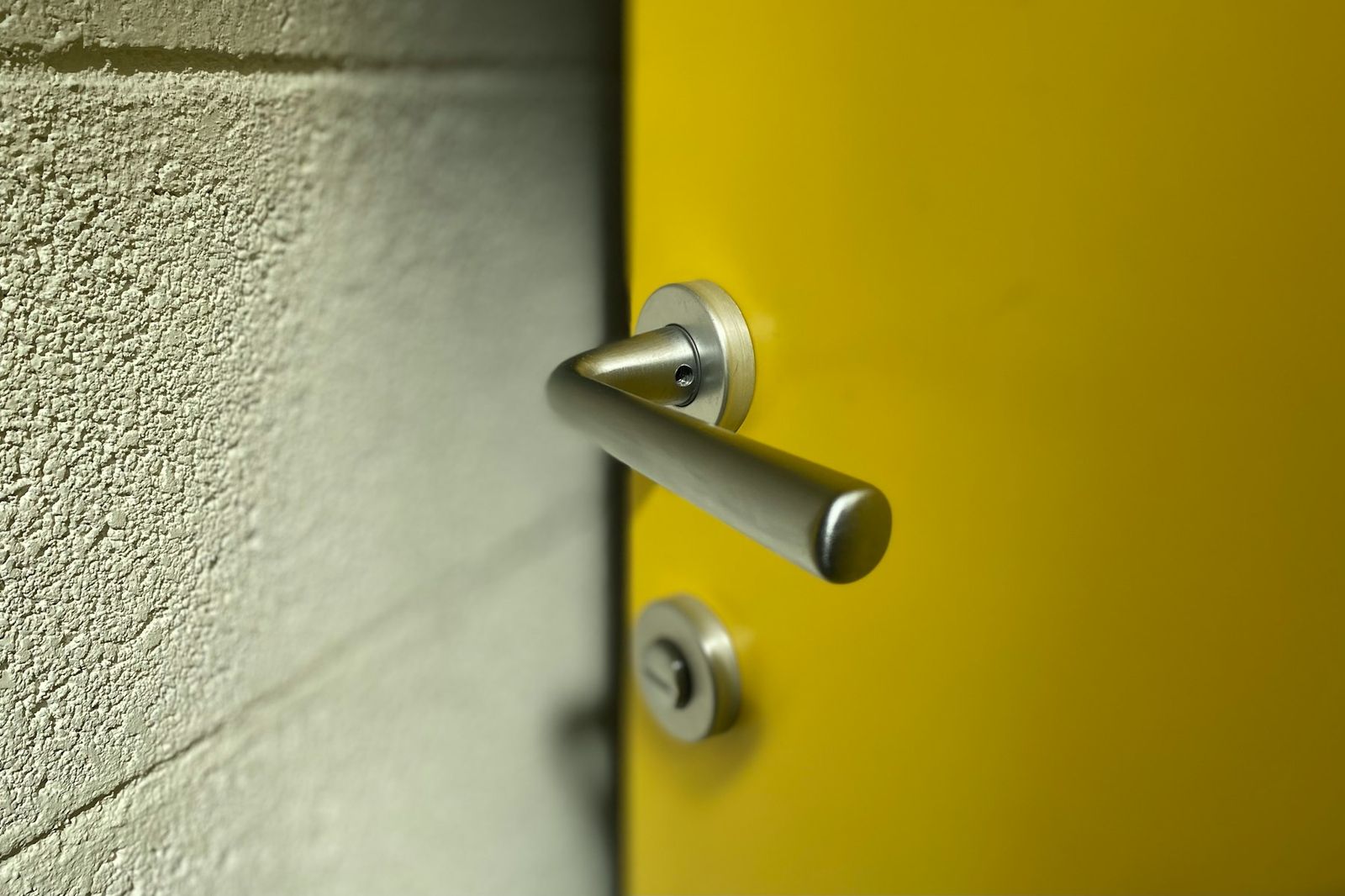
Closet and wardrobe doors are a special case. Because they usually don't latch at all, a single "dummy" lever that works as a pull — and matches the levers everywhere else — is often the cleanest answer.
Interior doors: where most openings live
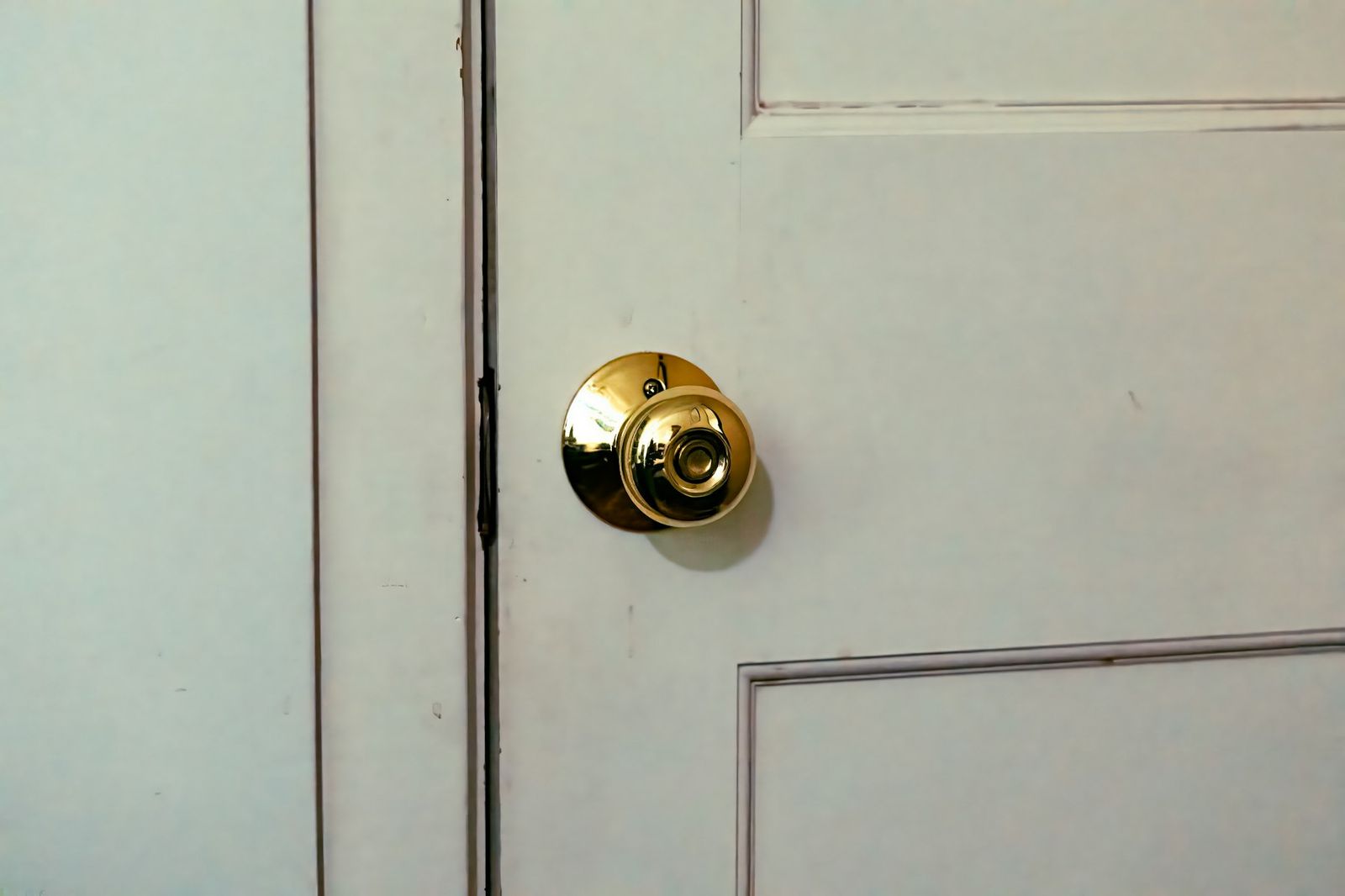
In hospitality and multi-family projects, bedroom and bathroom doors make up the majority of the schedule. These are usually passage and privacy functions, and tubular latch hardware is the natural fit: it's cost-effective, quick to install, and easy to grade by budget.
Frascio's tubular platforms show how much range there is within this category. Its T600 Series fits standard ANSI door preparations on a heavy-duty interlocking chassis and offers a commercial latch rated to ANSI/BHMA Grade 2 cycle standards, alongside medium and residential grades. For projects that want interior doors to match the mortise hardware on nearby entries, the T700 Series uses a small-rose trim so the look stays identical from corridor to bedroom.
Sliding and pocket doors
Space-saving pocket doors are now common in bathrooms and walk-in wardrobes, and they need their own hardware. Recessed privacy locks keep the door flush when it slides into the wall, while edge pulls handle non-locking pocket doors. The key point for designers: sliding hardware can be finished to match the hinged-door levers, so the pocket door doesn't become the odd one out.
Entry and back-of-house: highest demand
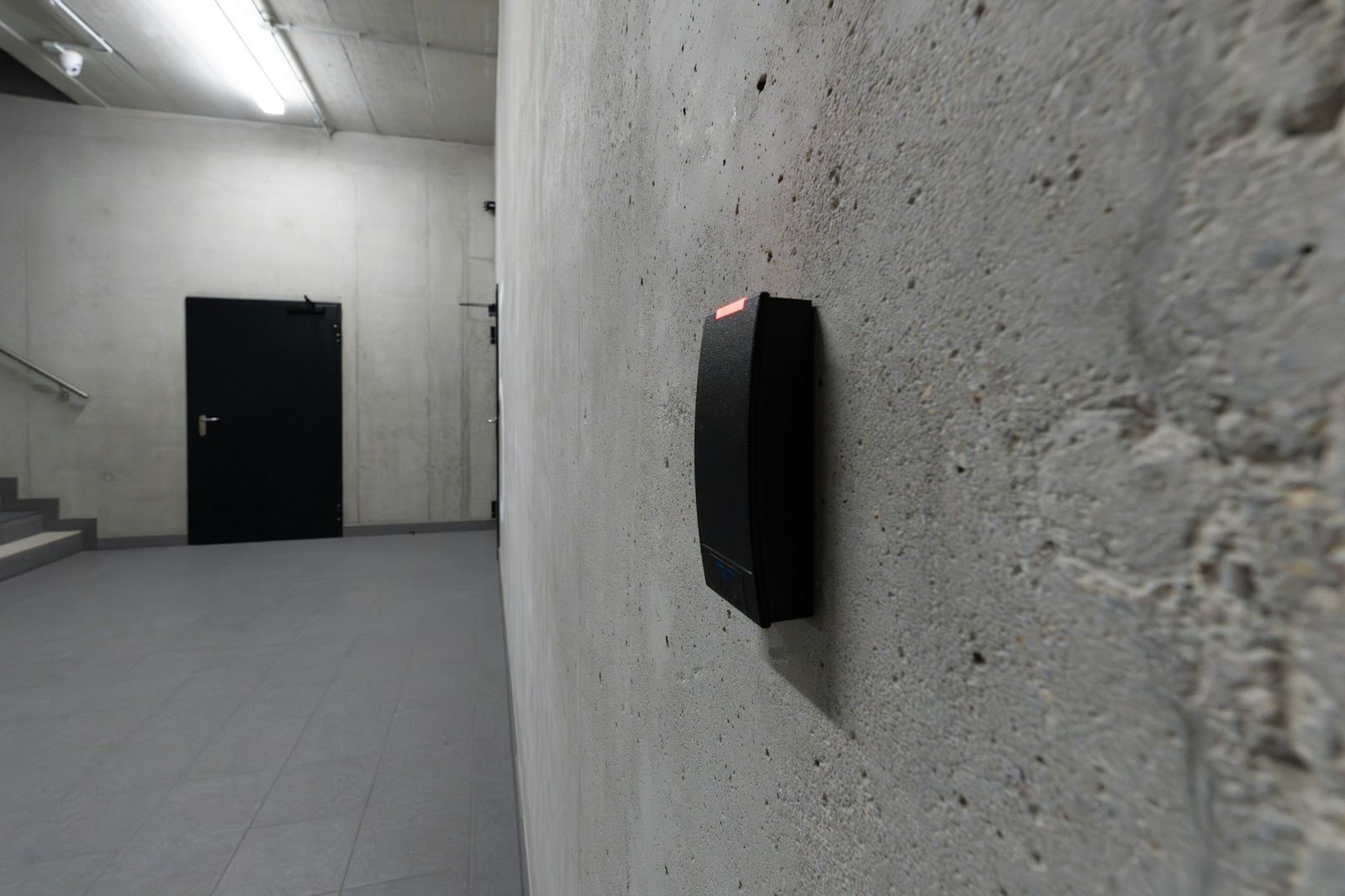
Unit entries, back-of-house corridors and common areas see the heaviest use and carry the highest security requirements. This is mortise lock territory. A single mortise platform — Frascio's M500 Series, for example, is ANSI Grade 1 and UL-rated with dozens of functions — can cover entries, offices and service doors, including electrified functions for access control.
In hotels, guest-room entries are typically fitted with lever trim adapted to the property's electronic lock system, so the decorative lever on the corridor matches the rest of the hardware package even though the lock behind it is electronic.
Function matching by project type
- Hospitality: electronic-lock lever trim on guest-room entries; passage latchsets on bedrooms; dummy levers on closets; privacy pocket locks on bathrooms; mortise locks on back-of-house.
- Multi-family residential: tubular passage and privacy hardware inside units, graded to budget and use; mortise locksets on corridors and common areas.
- Class A office: privacy or office functions on private offices; passage hardware on meeting rooms and interior doors.
Confirm functions early
The most expensive hardware mistakes happen when functions are confirmed late — usually on doors that fall between categories, such as a prayer room, a nursing room or a shared meeting space. Settle these at schedule stage, use the correct door-prep templates for each series, and check accessibility requirements: Frascio levers are designed to comply with ANSI A117.1, with ADA documentation available for submittals.
Function selection drives platform choice, and platform choice drives long-term performance.
TPS supplies Frascio decorative hardware alongside Allegion brands, so we can schedule the functions on a project — from the dummy lever on a wardrobe to the electrified mortise lock on a plant room — under one design language.
Sources
- FR International — A Guide to Passage, Privacy, and Entry Functions in Decorative Hardware — frinternational.com/a-guide-to-passage-privacy-and-entry-functions-in-decorative-hardware/
- FR International — Products and design approach — frinternational.com/